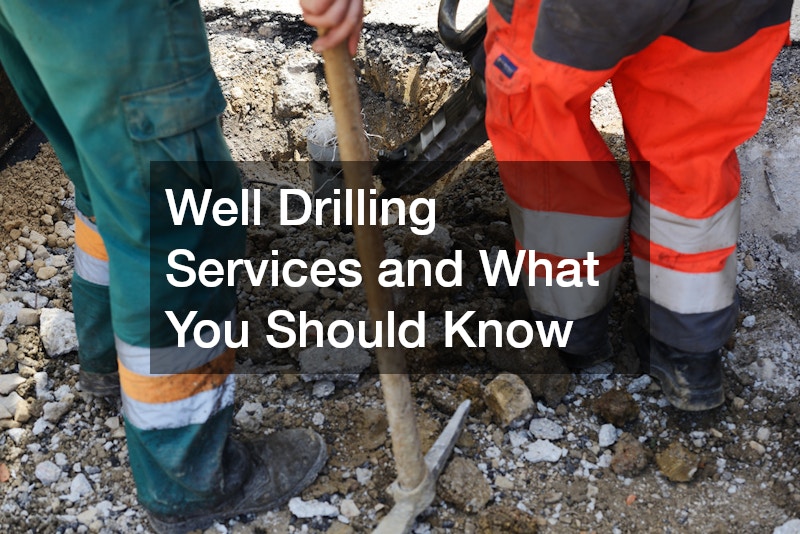
Access to clean, reliable water is essential for every household, farm, and business located beyond municipal water systems. For many rural property owners, the solution lies in a professionally constructed water well.
If you’re considering installing a well on your property, it’s important to understand the process, the costs, and the long-term responsibilities involved. Knowing what to expect before hiring a well drilling service can save you time, money, and frustration. This guide covers the key information you need to make an informed decision.
Understanding the Purpose of a Water Well
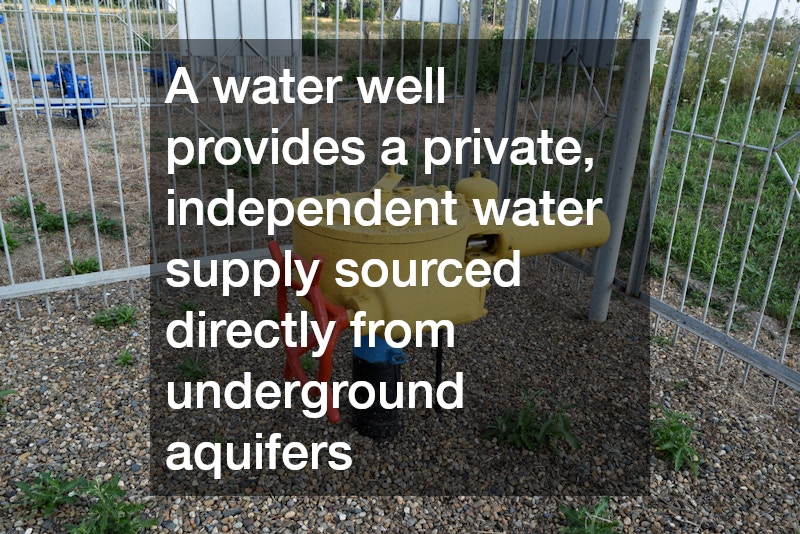
A water well provides a private, independent water supply sourced directly from underground aquifers. These aquifers exist at varying depths, depending on the geology of the area. A properly installed well can supply water for drinking, irrigation, livestock, or commercial use. Because groundwater quality and quantity differ from one location to another, an initial site assessment is crucial to determine the best location for your well.
The Importance of Site Evaluation
Before any drilling begins, the contractor will conduct a site evaluation. This assessment typically involves reviewing property layout, soil composition, access routes for drilling equipment, and potential environmental concerns. The goal is to determine not only where water is likely to be found, but also where drilling can occur safely and legally.
In many areas, regulations dictate how close a well can be to septic systems, roads, barns, and property lines. Your contractor should be familiar with local codes and permit requirements. This phase is also the time to ask questions about water quality expectations, potential flow rates, and drilling methods.
The Drilling Process Explained
Once the ideal site has been identified and the necessary permits are obtained, the drilling process begins. A large drilling rig bores into the earth, often reaching depths anywhere from 50 to several hundred feet. Depth depends on local geology and the distance to the nearest reliable aquifer.
During drilling, the contractor continually monitors soil layers and rock formations to determine when the well reaches a productive water source. After reaching the aquifer, the well is fitted with casing—typically PVC or steel—to prevent the borehole from collapsing and to protect the water supply from contamination. A screen is installed at the bottom of the casing to keep sediment out while allowing water to flow freely.
Next, the contractor will develop the well by flushing it with air or water to remove debris and improve flow. After development, the well is ready for pump installation.
Choosing the Right Pump
Pump selection depends largely on the depth of the well and your household’s water demands. Shallow wells may use jet pumps, while deeper wells require submersible pumps installed far below the surface. A professional well drilling service will help you choose the correct pump size and power to ensure consistent water pressure and adequate output.
In addition to the pump, the system usually includes pressure switches, pressure tanks, and electrical components that regulate the flow of water into your home or facility.
Water Testing and Safety Considerations
Once installation is complete, water testing is critical. Even if groundwater appears clear, it may contain bacteria, minerals, or contaminants such as iron, sulfur, nitrates, or arsenic. Comprehensive water testing ensures the supply is safe for consumption and alerts you to whether filtration or treatment systems are needed.
Some states require periodic testing after installation, and many homeowners choose to test their well annually to maintain water safety.
Maintenance and Long-Term Care
A professionally installed well can last decades, but it requires regular maintenance to stay in good working condition. Routine care includes:
-
Inspecting the pump and electrical system
-
Checking pressure tank performance
-
Testing water quality annually
-
Ensuring the well cap remains sealed and intact
-
Keeping the surrounding area free from chemicals, waste, or runoff
Ignoring maintenance can lead to reduced water flow, contamination, or costly repairs. Partnering with a reputable well drilling service often means gaining access to ongoing maintenance plans and emergency support.
Understanding Costs and Budgeting
The cost of drilling a well varies widely depending on depth, geological conditions, permitting fees, and pump systems. Shallow wells may cost a few thousand dollars, while deeper wells with complex installations can be significantly more expensive. Additional costs may include trenching for water lines, electrical work, water treatment systems, and long-term upkeep.
When comparing quotes, it’s important to look beyond the base drilling price. Ask contractors about what is included—such as casing, grout, pump installation, development, testing, and permits—to avoid unexpected expenses later.
Questions to Ask Your Contractor
Before hiring a drilling company, consider asking:
-
How long have you been in business?
-
Are you licensed, insured, and familiar with local regulations?
-
What method of drilling will you use?
-
What is your estimated depth based on local wells?
-
What warranties do you offer on equipment and workmanship?
-
What ongoing maintenance services do you provide?
A reliable contractor should welcome your questions and provide clear, transparent answers.
Installing a water well is a major investment, but it also offers long-term independence and security. By understanding the drilling process, maintenance responsibilities, costs, and safety standards, you’ll be prepared to make informed decisions every step of the way. With the right well drilling service, you can enjoy a dependable supply of clean water for many years to come.
Related Posts

Transform Your Bathroom Into a Spa-Like Retreat with Glass Shower Doors
Explore the benefits of installing shower glass doors and how they can elevate your bathroom to a luxurious, spa-like atmosphere.…

The Best Home Improvement Projects for Luxury Living
When it comes to upgrading your home, investing in luxury upgrades can not only greatly enhance your living experience but…

Top Tips for Working with an In Ground Swimming Pool Builder
Building an in ground swimming pool in your backyard is an exciting venture that can transform your outdoor space into…