Modern homeowners want more than visual upgrades. They want renovations that improve daily comfort, efficiency, and functionality while increasing long-term value. The most impactful renovations are those that solve everyday problems, adapt to lifestyle changes, and add convenience without sacrificing aesthetics.
Custom renovations allow homeowners to tailor their spaces to how they actually live. From better traffic flow to improved outdoor usability, thoughtful upgrades can transform how a home feels and performs. The following renovation ideas focus on practical improvements that elevate daily routines and create a home that works harder for its occupants.
1. Reimagining Floor Plans For Better Daily Flow
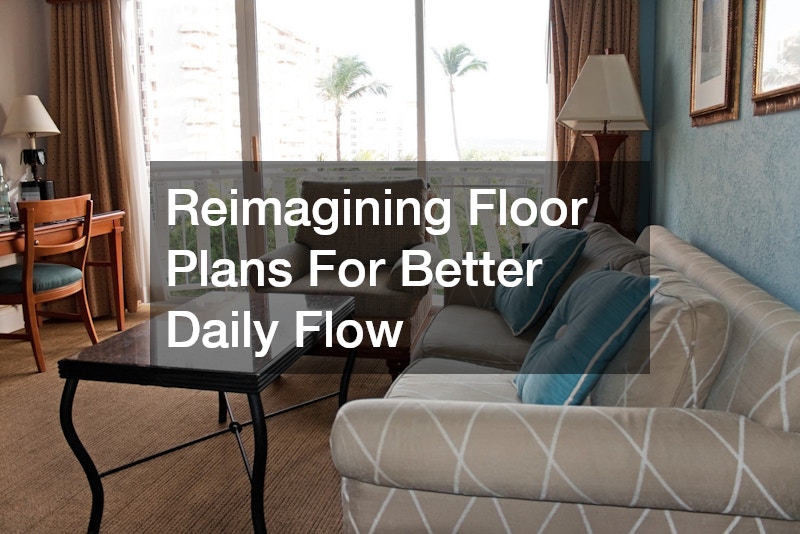
One of the most transformative renovations is reworking how spaces connect and function together. Poor layouts often create bottlenecks, wasted square footage, or rooms that feel disconnected from daily living patterns. Opening walls, widening doorways, or reconfiguring room purposes can dramatically improve comfort and usability.
A skilled home remodeler can evaluate how the home is used throughout the day and recommend layout changes that improve circulation. This often includes removing unnecessary partitions, repositioning entry points, or redefining underused rooms into functional spaces like offices or flex rooms. Improving flow helps households move naturally between spaces without interruption or congestion.
Daily routines should guide layout decisions. Morning traffic around kitchens and bathrooms, evening relaxation areas, and storage access all influence how functional a floor plan feels. Incorporating wider walkways, clearer sightlines, and strategically placed storage reduces friction during busy times.
Lighting also plays a role in flow. Reconfigured layouts that allow natural light to travel through the home feel more open and inviting. When circulation improves, the home becomes easier to navigate and more enjoyable to live in on a daily basis.
2. Enhancing Kitchens With Purpose-Built Ventilation
Kitchen renovations should prioritize performance as much as appearance. Cooking releases heat, moisture, grease, and odors that can quickly affect comfort throughout the home. Without proper ventilation, these byproducts linger and impact indoor air quality.
Professional kitchen hood installation allows homeowners to choose ventilation systems that align with their cooking habits and kitchen layout. Larger cooktops, gas ranges, and frequent meal preparation often require higher-capacity systems to effectively capture airborne particles. Matching hood size and power to the cooking surface is critical for proper performance.
Vent placement also matters. Ducted systems that vent outdoors are typically more effective than recirculating models. During renovation, homeowners can take advantage of open walls or ceilings to route ductwork efficiently, reducing noise and improving airflow.
Beyond functionality, ventilation features can complement kitchen design. Custom finishes and integrated lighting turn practical elements into design focal points. A well-ventilated kitchen stays cleaner, smells fresher, and remains more comfortable during daily use, especially in open living environments.
3. Upgrading Plumbing Systems For Long-Term Reliability
Plumbing systems are often overlooked during renovations, yet they directly affect everyday convenience and long-term durability. Older pipes, outdated fittings, and inefficient layouts can lead to pressure issues, inconsistent temperatures, and unexpected leaks.
Working with an experienced plumber during renovation projects helps uncover hidden problems before walls are closed. Pipe materials, joint conditions, and venting configurations should all be evaluated. Upgrading supply lines and drains improves water flow and reduces the likelihood of future disruptions.
Modern plumbing upgrades also allow homeowners to improve functionality. Thoughtful fixture placement reduces congestion in shared bathrooms, while updated valves and access points simplify future maintenance. Incorporating efficient water heaters or recirculation systems can reduce wait times and improve daily comfort.
Plumbing improvements protect renovation investments by preventing water-related damage. Addressing these systems proactively creates a more reliable home environment and eliminates many common frustrations associated with aging infrastructure.

4. Creating Outdoor Living Spaces With Natural Privacy
Outdoor spaces are most enjoyable when they feel comfortable and private. Strategic landscaping renovations can transform open yards into inviting extensions of the home that support relaxation and entertaining.
Professional tree service providers help homeowners assess existing vegetation and identify opportunities to improve privacy, shade, and safety. Proper pruning enhances tree health while preventing overgrowth that blocks light or damages structures. New tree placement can create natural screening without the need for fencing.
Layering trees with shrubs, pathways, and seating areas creates defined outdoor zones. Shade from mature trees reduces heat and makes patios more usable during warmer months. Thoughtful landscaping design balances openness with seclusion.
Regular maintenance keeps outdoor spaces functional and visually appealing. When landscaping is intentionally designed and properly cared for, outdoor living areas become everyday retreats rather than seasonal afterthoughts.
5. Strengthening Exteriors With Durable Roofing Updates
Roofing upgrades offer benefits that go far beyond appearance. A well-designed roof protects the home from moisture, regulates interior temperatures, and contributes to overall structural stability.
Consulting with local roofers helps homeowners select materials suited to local climate conditions. Roofing systems designed for regional weather patterns perform better and last longer. Upgrades may include improved underlayment, better flashing, or enhanced ventilation to manage heat and moisture.
Roof renovations also present opportunities to improve insulation and airflow in attic spaces. Proper ventilation prevents heat buildup and reduces strain on HVAC systems. These improvements contribute to more consistent indoor comfort year-round.
A durable roofing system minimizes maintenance concerns and protects the home’s interior finishes. Investing in quality materials and professional installation creates peace of mind and supports long-term property value.
6. Improving Yard Functionality With Structural Landscaping
Uneven terrain and poor drainage can limit how outdoor spaces are used. Structural landscaping solutions help homeowners reclaim unusable areas and create stable, functional environments.
Installing a retaining wall allows sloped yards to be terraced into level sections for seating, gardens, or play areas. Proper design includes drainage solutions that prevent water pressure buildup and erosion. Material selection affects both durability and visual integration with the surrounding landscape.
Structural landscaping improves safety by reducing trip hazards and stabilizing soil. It also enhances visual order, making outdoor spaces feel intentional rather than chaotic.
When designed correctly, these features blend seamlessly into the property and support daily outdoor use. Functional landscaping encourages more frequent interaction with outdoor spaces while protecting the home’s foundation and surrounding structures.

7. Adding Natural Texture Through High-Quality Materials
Material choices influence how renovations age over time. Natural materials bring warmth, texture, and durability that synthetic alternatives often lack.
Working with a trusted stone supplier allows homeowners to select materials appropriate for their specific application. Stone surfaces vary widely in strength, maintenance needs, and aesthetic impact. Understanding these differences helps prevent future issues like staining or cracking.
Stone can be used strategically to anchor spaces visually. Fireplaces, entryways, and kitchens benefit from durable surfaces that withstand daily wear. Selecting finishes that align with usage patterns improves longevity.
Incorporating natural materials creates a sense of permanence and quality. These upgrades enhance both function and visual appeal, contributing to a home that feels thoughtfully crafted and resilient.
8. Modernizing Driveways And Walkways For Safer Access
Exterior surfaces experience constant use and exposure to changing weather conditions, making them especially vulnerable to wear over time. Cracked pavement, uneven walkways, and deteriorating driveways not only detract from a home’s appearance but also create safety hazards for residents and visitors. Renovating these areas improves both usability and curb appeal while addressing underlying structural concerns.
Partnering with local paving companies allows homeowners to select surface materials engineered for durability, load capacity, and proper drainage. During planning, factors such as vehicle traffic patterns, pedestrian flow, slope, and accessibility should be carefully considered. Well-designed surfaces reduce standing water, prevent premature cracking, and remain stable through seasonal temperature changes. Material choices like concrete, asphalt, or pavers can be tailored to the home’s style and usage needs.
Thoughtful layout design enhances everyday movement around the property. Clearly defined walkways guide foot traffic safely from entry points to outdoor spaces, minimizing wear on landscaping and reducing trip hazards. Driveway upgrades improve vehicle access and reduce maintenance demands by addressing drainage and base preparation issues that often cause long-term damage.
Surface improvements also play a role in managing runoff around the home. Proper grading and drainage direct water away from foundations, protecting surrounding structures. Modern paving solutions balance function and aesthetics, creating clean lines, smooth transitions, and durable pathways that make daily movement safer, easier, and more enjoyable for everyone who visits or lives in the home.
9. Protecting Homes With Proactive Moisture Solutions
Moisture control is essential for maintaining both structural integrity and indoor comfort throughout the home. Excess moisture can quietly compromise building materials, weaken foundations, and create uncomfortable living conditions long before visible damage appears. Renovation projects offer a valuable opportunity to identify and correct these vulnerabilities while walls, floors, and exterior surfaces are already being addressed.
A professional water restoration company can evaluate areas that are most susceptible to moisture intrusion, such as basements, crawl spaces, bathrooms, and exterior foundations. Through detailed inspections, they can pinpoint issues like poor drainage, inadequate sealing, or hidden water intrusion paths. Preventative improvements may include upgrading perimeter drainage systems, sealing foundation walls, improving grading around the home, or installing vapor barriers to control humidity levels.
Addressing moisture issues early helps prevent long-term problems such as mold growth, wood rot, and deterioration of insulation and finishes. Excess humidity can also affect indoor air quality, leading to discomfort and potential health concerns for occupants. By controlling moisture at its source, homeowners protect both the structure of the home and the well-being of those who live inside it.
Preventative moisture management creates a more resilient home that is better equipped to handle seasonal changes and extreme weather. These upgrades reduce the risk of unexpected repairs, limit disruption to daily life, and preserve the value of renovation investments. A dry, well-protected home remains more comfortable, durable, and dependable over time.
10. Enhancing Comfort With Efficient Supplemental Heating
Supplemental heating options improve comfort during colder months while adding flexibility to home climate control. These systems allow homeowners to deliver warmth exactly where it is needed, rather than relying solely on whole-house solutions that may not account for uneven temperatures or varying usage patterns. Targeted heating is especially valuable in rooms that are used frequently during the evening, such as living areas, family rooms, or open gathering spaces.
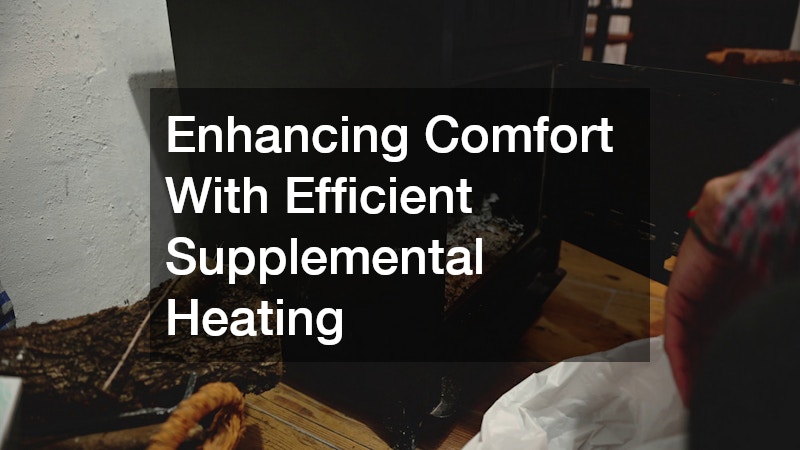
Installing a wood stove creates a dependable heat source that works alongside primary heating systems rather than replacing them. Modern models are designed with improved combustion technology that produces consistent heat while minimizing emissions and ash. This makes them practical for regular use and easier to maintain than older versions. Many designs also include features that allow heat to circulate more evenly throughout the space, preventing hot spots and cold corners.
Proper placement and ventilation are essential for both safety and performance. Positioning the unit in a central location allows warmth to radiate efficiently, while correct clearances protect surrounding materials. Venting systems must be carefully planned to support airflow and prevent heat loss. When installed correctly, supplemental heating can create a natural gathering point that adds warmth and character to the home.
Thoughtfully integrated heating solutions also support better energy management. By reducing dependence on central systems during milder cold periods, homeowners can maintain comfort while using energy more efficiently. Over time, these upgrades contribute to a home environment that feels warmer, more inviting, and better suited to everyday living.
Final Thoughts On Elevating Everyday Living
Custom renovations reach their full potential when they are guided by how people truly live in their homes, not just by visual trends or short-term preferences. Functionality should always come first. Every room, pathway, and feature should serve a clear purpose that aligns with daily habits. When homeowners take the time to evaluate how spaces are used throughout the day, renovation decisions become more intentional and far more effective. This approach helps eliminate common frustrations such as cluttered walkways, poorly placed storage, or rooms that look appealing but do not function well in practice.
Thoughtful planning also involves understanding how individual upgrades work together as a system. A well-designed home balances structural improvements, interior functionality, and exterior usability. When each renovation supports the others, the home operates more efficiently and cohesively. This holistic approach prevents mismatched upgrades that can limit performance or create new challenges.
Ultimately, the most rewarding renovations are those that feel natural rather than forced. Spaces that adapt seamlessly to everyday routines reduce stress, improve organization, and enhance overall satisfaction with the home. By focusing on real-world use, homeowners create environments that are not only beautiful but genuinely supportive of daily life, making the home a more comfortable and enjoyable place to live for years to come.