A backyard has the potential to become much more than an open area behind a home. When thoughtfully designed, it can serve as an extension of indoor living space, providing opportunities for relaxation, entertainment, recreation, and connection with nature. The most successful outdoor environments are not necessarily the largest or most expensive. Instead, they are carefully planned to reflect the unique lifestyle, preferences, and practical needs of the people who use them every day.
Every homeowner has different goals for their outdoor space. Some envision a peaceful retreat where they can unwind after a long day, while others want a gathering area capable of hosting family celebrations and social events. Families with children may prioritize open play areas, while gardening enthusiasts might focus on landscaping and plant health. Understanding these priorities before beginning any project helps create a more functional and enjoyable backyard.
The design process involves much more than selecting outdoor furniture or planting a few trees. Existing site conditions, drainage patterns, sunlight exposure, mature landscaping, utility access, and long-term maintenance requirements all influence the final outcome. Addressing these factors early can help homeowners avoid costly mistakes while ensuring that improvements remain attractive and functional for years to come.
A well-designed backyard also contributes to property value. Outdoor living spaces continue to be highly desirable among homeowners and prospective buyers alike. Features such as gathering areas, hardscaping, landscape improvements, and outdoor lighting can significantly enhance both usability and curb appeal. However, achieving these benefits requires careful planning and coordination among various professionals and services.
Creating an outdoor environment that truly supports a homeowner’s lifestyle often involves a combination of structural improvements, landscape management, utility upgrades, and maintenance strategies. Each element plays a specific role in shaping how the space looks, feels, and functions. By understanding the importance of these components and how they work together, homeowners can make informed decisions that transform an ordinary backyard into a customized outdoor destination that supports comfort, convenience, and long-term enjoyment.
Creating a Dedicated Space for Outdoor Gathering and Relaxation
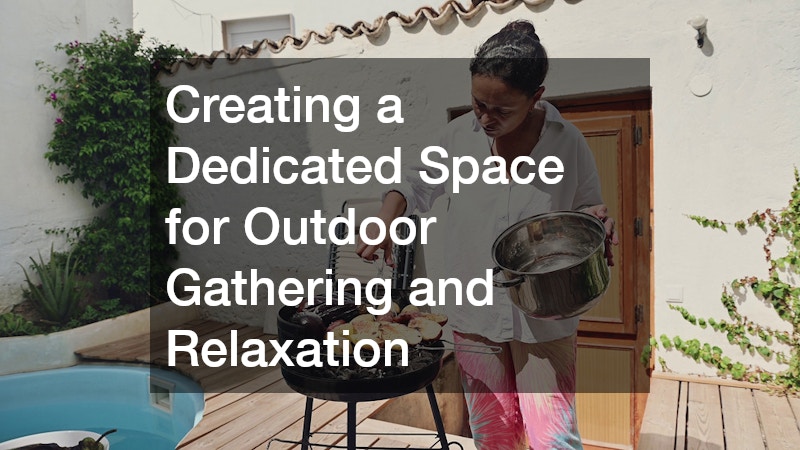
One of the most valuable additions to any backyard is a designated area where family and friends can gather comfortably. Outdoor living spaces provide opportunities for dining, entertaining, relaxing, and enjoying fresh air throughout the year. Establishing a central gathering area often serves as the foundation for the entire backyard design.
When planning this type of space, homeowners should consider how they intend to use it. Some may prefer a quiet location for reading and relaxation, while others may want a larger area capable of accommodating outdoor kitchens, dining furniture, and social gatherings. The size, shape, and location of the space should support these intended activities.
Durability is another important consideration. Outdoor structures must withstand weather exposure while maintaining both safety and appearance over time. Material selection, drainage planning, and proper construction techniques all contribute to long-term performance.
Many homeowners choose to work with a professional deck builder when creating outdoor gathering spaces. Expert guidance helps ensure that the structure is properly designed, constructed, and integrated into the overall landscape plan while meeting both functional and aesthetic goals.
Clearing Overgrown Areas to Improve Usable Space
Many backyards contain areas that have become difficult to use because of excessive vegetation. Dense growth can make a property feel smaller, reduce visibility, and limit opportunities for outdoor improvements. Before new features are added, it is often necessary to evaluate existing vegetation and determine which areas should be cleared.
Overgrown sections may block sunlight, interfere with drainage, or prevent access to portions of the property. In some cases, vegetation can even create safety concerns by obscuring pathways or hiding structural issues. Removing unnecessary growth often reveals valuable space that can be repurposed for recreation, landscaping, or additional outdoor features.
Strategic clearing should be approached carefully to preserve desirable trees and plants while eliminating unwanted growth. Proper planning helps maintain balance between open space and natural landscaping.
A qualified tree cutting company can help homeowners safely clear overgrown areas while minimizing disruption to the surrounding environment. Professional assistance ensures that vegetation removal is completed efficiently and supports future backyard improvements.
Removing Hazardous Growth That Limits Backyard Potential
Not all trees contribute positively to a backyard environment. Some may become damaged, diseased, unstable, or poorly positioned over time. These conditions can create safety risks and interfere with planned outdoor improvements.
Dead or declining trees often present hazards during storms and periods of high wind. Falling branches or weakened trunks can damage structures, landscaping, and outdoor amenities. Trees located too close to homes, patios, or utility lines may also create ongoing maintenance challenges.
Removing problematic trees can significantly improve safety while opening new possibilities for backyard design. Increased sunlight, better airflow, and additional usable space often result from eliminating hazardous growth.
Professional tree removals help address these concerns safely and efficiently. Experienced crews use specialized equipment and techniques to remove trees while protecting surrounding property and landscape features.
Maintaining Healthy Landscaping for Long-Term Appeal
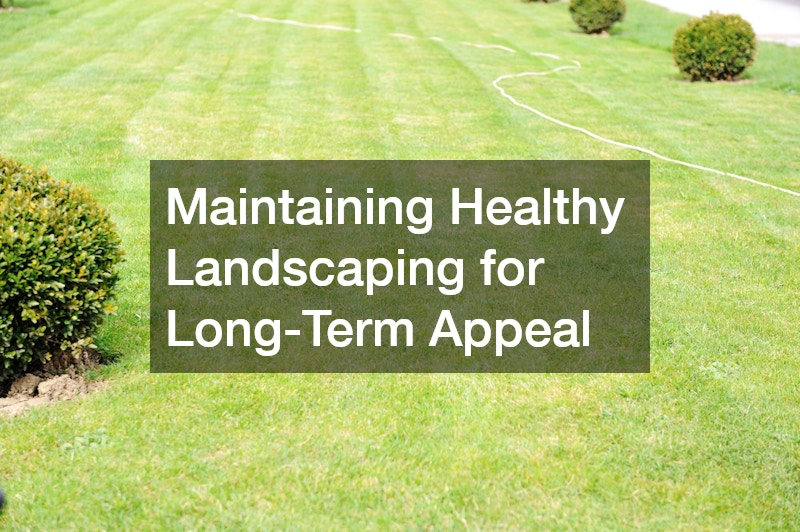
Healthy trees and landscaping contribute beauty, shade, privacy, and environmental benefits to outdoor spaces. However, maintaining these advantages requires ongoing care and attention.
Routine pruning helps promote healthy growth, improve appearance, and reduce the likelihood of structural problems. Removing dead, damaged, or overcrowded branches supports overall tree health while minimizing safety concerns. Proper maintenance also allows sunlight and air circulation to reach surrounding plants more effectively.
Neglected trees may develop weak branch structures, pest problems, or disease issues that affect their longevity. Regular maintenance can often identify concerns before they become severe enough to require removal.
Working with a professional tree trimming service helps homeowners maintain attractive and healthy landscapes while preserving the value that mature trees bring to the property.
Evaluating Tree Health Before Making Design Decisions
Trees often play a major role in shaping backyard layouts. Before undertaking significant outdoor improvements, it is important to understand the health and condition of existing trees.
Not every issue is immediately visible to homeowners. Internal decay, root damage, disease, and pest infestations can weaken trees long before obvious symptoms appear. Building around compromised trees may create future complications if removal eventually becomes necessary.
A professional arborist can evaluate tree health, identify risks, and provide recommendations that support both landscape preservation and long-term property goals. This expertise helps homeowners make informed decisions about which trees should be retained, monitored, or removed.
In many cases, preserving healthy mature trees enhances backyard design by providing shade, visual interest, and environmental benefits that take years to develop.
Adding Durable Features That Enhance Outdoor Living
Hardscape elements help define outdoor spaces while adding structure and functionality to backyard environments. Features such as walkways, retaining walls, fire pits, seating areas, and decorative stonework contribute to both usability and visual appeal.
Unlike plants and lawn areas, hardscape features provide permanent design elements that help organize outdoor layouts. They create pathways, establish gathering zones, and improve accessibility throughout the property.
Durability is particularly important when selecting materials for outdoor use. Weather resistance, maintenance requirements, and long-term performance should all be considered during the planning process.
A professional masonry service can help homeowners design and install durable features that complement the surrounding landscape while supporting practical everyday use.
Incorporating Lighting and Power for Better Functionality
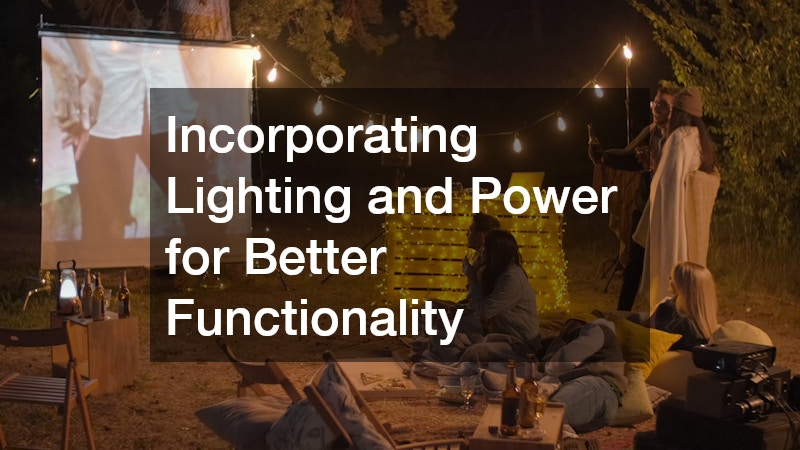
Modern backyards often require electrical infrastructure to support lighting, entertainment systems, outdoor kitchens, water features, and other amenities. Proper planning ensures that these systems enhance usability without compromising safety.
Outdoor lighting improves visibility, extends the usability of outdoor spaces after dark, and contributes to overall ambiance. Strategic placement can highlight landscape features, illuminate pathways, and create inviting gathering areas.
Power access is equally important for many outdoor activities. Whether supporting appliances, charging stations, or recreational equipment, reliable electrical service increases convenience and functionality.
A licensed electrician can evaluate power needs, install appropriate systems, and ensure compliance with safety standards. Professional installation helps homeowners enjoy the benefits of outdoor electrical features with confidence.
Protecting Outdoor Spaces From Unwanted Invaders
Pests can significantly reduce the comfort and enjoyment of outdoor living areas. Insects, rodents, and other unwanted visitors may damage landscaping, create sanitation concerns, and interfere with outdoor activities.
Certain conditions naturally attract pests, including standing water, dense vegetation, food sources, and structural hiding places. Addressing these factors helps reduce pest activity while supporting a healthier outdoor environment.
Regular inspections and preventive measures play important roles in long-term pest management. Early intervention often prevents minor issues from becoming widespread infestations.
A professional pest control service can identify problem areas, recommend solutions, and implement strategies that help protect outdoor spaces while minimizing disruption to daily activities.
Reducing Seasonal Insect Activity for Greater Comfort
Mosquitoes are among the most common backyard nuisances, particularly during warmer months. Their presence can make outdoor gatherings less enjoyable and limit the amount of time homeowners spend outside.
Mosquito populations often thrive in areas with standing water, excessive shade, and dense vegetation. Eliminating breeding sites is one of the most effective ways to reduce activity. Proper drainage and landscape maintenance can also contribute to control efforts.
However, environmental conditions sometimes make complete elimination difficult through maintenance alone. Additional measures may be necessary to manage populations effectively. These measures can include the use of chemical treatments or the introduction of natural predators.
Professional mosquito control programs can help reduce insect activity while improving overall comfort in outdoor living spaces. These services often complement broader landscape management efforts and contribute to a more enjoyable backyard environment.
Establishing a Strong Foundation for Backyard Improvements
Many backyard projects rely on properly prepared surfaces and structural foundations. Patios, walkways, outdoor kitchens, seating areas, and recreational spaces all benefit from stable construction practices.
Poorly prepared foundations can lead to settling, cracking, drainage issues, and premature deterioration. Taking the time to establish a solid base supports long-term performance and reduces maintenance requirements.
Material quality also plays an important role in the success of outdoor projects. Durable materials help ensure that improvements remain functional and attractive despite constant exposure to weather and foot traffic.
Working with a reputable concrete supplier helps homeowners obtain materials that support lasting results. High-quality products contribute to the strength and reliability of outdoor features while helping maximize the value of backyard investments.
Designing a backyard that aligns with personal lifestyle goals requires thoughtful planning and a comprehensive understanding of how various elements work together. A successful outdoor environment is not created through a single improvement but rather through a series of coordinated decisions that enhance comfort, functionality, appearance, and long-term usability.
Every backyard begins with its existing conditions. Trees, terrain, drainage patterns, and available space all influence design possibilities. Addressing these factors early creates a strong foundation for future improvements and helps homeowners avoid obstacles that may limit the effectiveness of their plans. Whether clearing overgrown areas, evaluating tree health, or establishing durable structural features, each step contributes to the overall success of the project.
Functional outdoor spaces should support the activities that matter most to homeowners. Gathering areas, pathways, lighting, and landscape features all serve specific purposes that enhance daily living. When these elements are carefully integrated, they create an environment that feels intentional and inviting rather than fragmented or incomplete.
Maintenance considerations are equally important. Healthy landscaping, pest management, and routine inspections help preserve the appearance and functionality of outdoor spaces over time. Investing in proper care ensures that improvements continue delivering value long after installation is complete.
Professional expertise often plays a valuable role throughout the design process. Specialists can provide guidance, identify potential concerns, and help homeowners make informed decisions that align with both immediate needs and long-term goals. Their knowledge supports better outcomes while reducing the likelihood of costly mistakes.
Ultimately, a well-designed backyard becomes an extension of the home itself. It provides opportunities for relaxation, entertainment, recreation, and connection with nature while enhancing overall property value. By carefully considering lifestyle needs, site conditions, and future maintenance requirements, homeowners can create outdoor spaces that remain enjoyable, functional, and attractive for years to come. The result is a personalized environment that supports everyday living and transforms the backyard into one of the most rewarding areas of the property.