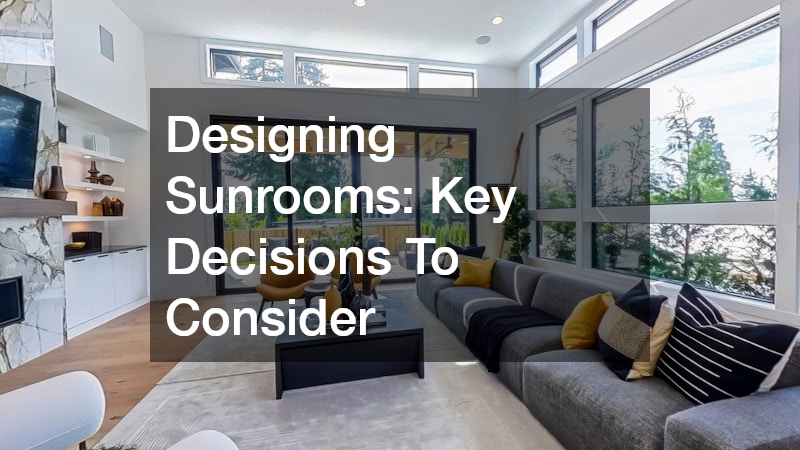
Designing a sunroom requires thoughtful planning to ensure it functions as a comfortable, durable, and visually appealing extension of the home. Homeowners must consider materials, energy efficiency, and design style to create a space that can be enjoyed year-round. By making informed choices early, a sunroom can enhance daily living while adding long-term value to the property.
What Are the Best Materials to Use for a Sunroom?
Material selection is one of the most important factors in sunroom design because it directly affects comfort, durability, and maintenance. Glass is central to any sunroom, as it determines light levels and temperature control.
Insulated glass options help regulate indoor climate while allowing ample natural light. Double-pane glass is widely used for its insulation and sound reduction, while Low-emissivity (Low-E) coatings reflect heat and reduce UV exposure without darkening the space.
Structural materials also require careful consideration. Wood framing offers a warm, traditional appearance that blends easily with many architectural styles. However, it requires regular sealing and maintenance to protect against moisture, sunlight, and temperature changes. Aluminum framing is a popular alternative for homeowners seeking durability and low maintenance. It resists rust, decay, and warping, making it well-suited for long-term performance, though it may feel less traditional than wood.
Flooring must withstand constant sunlight, temperature fluctuations, and regular foot traffic. Ceramic or porcelain tile remains a reliable choice because it resists fading, moisture, and wear while offering a wide range of styles. Luxury vinyl plank and laminate flooring provide a softer feel underfoot and replicate the look of wood or stone while offering better resistance to moisture and sun exposure. Selecting flooring designed for high-light environments helps preserve appearance and longevity.
How Can I Maximize Energy Efficiency in My Sunroom?
Energy efficiency is essential for making sunrooms comfortable beyond mild seasons. High-performance windows and skylights play a major role in limiting heat loss during colder months and reducing heat gain in warmer weather. Double- or triple-glazed windows with Low-E coatings improve insulation and reduce energy consumption. Modern skylights with integrated shades allow homeowners to control light levels without compromising thermal performance.
Some homeowners choose to integrate solar panels into the sunroom roof as a long-term energy solution. While this approach requires a higher upfront investment, it can significantly reduce energy costs over time and support environmentally responsible living. Solar panels can often be incorporated discreetly, maintaining the home’s overall appearance.
Temperature control systems are equally important. Mini-split heat pumps are a popular option because they provide efficient heating and cooling without the need for extensive ductwork. These systems allow precise control over the sunroom’s climate and can be adjusted independently from the rest of the house. Ceiling fans help circulate air, while smart thermostats allow homeowners to manage comfort and energy use more efficiently throughout the year.
What Design Styles Are Popular for Modern Sunrooms?
Design style influences how a sunroom looks, feels, and functions. Contemporary minimalist sunrooms focus on clean lines, open layouts, and simplicity. Neutral color palettes, sleek furnishings, and large glass panels emphasize natural light and outdoor views. Built-in storage and multifunctional furniture help maintain a clutter-free environment, making the space feel calm and modern.
Rustic sunrooms appeal to homeowners who prefer a warm, inviting atmosphere. Natural materials such as wood beams, stone accents, and textured surfaces add character and depth. Soft furnishings, warm colors, and handcrafted décor enhance comfort, making rustic sunrooms ideal for relaxation and casual gatherings.
Nature-inspired sunrooms are designed to strengthen the connection between indoor and outdoor spaces. These rooms often incorporate natural materials, open layouts, and abundant greenery. Indoor plants, water features, and organic finishes create a calming environment that promotes well-being. By mimicking outdoor elements, nature-inspired sunrooms provide a tranquil retreat that feels integrated with the surrounding landscape.
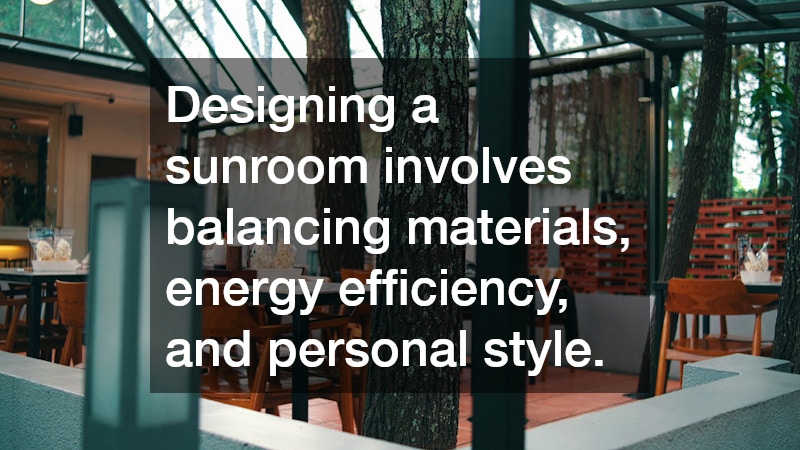
Designing a sunroom involves balancing materials, energy efficiency, and personal style to create a space that is both functional and enjoyable. Thoughtful choices around glass, structural components, flooring, and climate control determine how comfortable and versatile the sunroom will be throughout the year. When carefully planned, a sunroom becomes more than an addition—it becomes a valued living space that enhances comfort, usability, and overall home value. Working with experienced designers or contractors helps homeowners avoid costly mistakes, meet local building codes, and ensure the sunroom integrates seamlessly with the existing architectural style.